
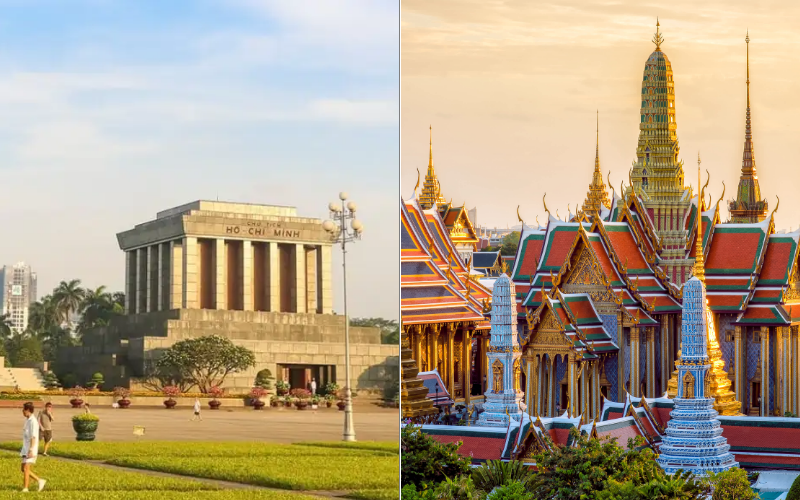
Hanoi or Bangkok can influence how you remember your entire trip. These cities represent two different travel styles within Southeast Asia. Hanoi feels grounded in history and local life. Bangkok feels dynamic and internationally connected. Both cities provide excellent food, impressive landmarks, and welcoming locals. However, the daily rhythm of each place is not the same. Travelers often compare costs, weather, attractions, and transportation systems before making a choice. Hanoi or Bangkok, which one should you visit Choosing Hanoi or Bangkok is more than picking a destination on a map. Both cities are major capitals in Southeast Asia with deep histories and strong personalities. Yet they offer very different travel experiences. Bangkok feels big and busy. It spreads out over a large area with tall buildings, wide roads, and many places to explore. Bangkok has a world-famous nightlife scene and modern comforts. You can see centuries-old temples next to huge shopping centers. Bangkok also has international flights and good transport links that make travel easy. Hanoi feels more compact. You can walk through many areas and feel the history around every corner. The Old Quarter is full of narrow streets and traditional markets. You see examples of French colonial architecture and old Vietnamese culture blending together. Hanoi has a slower rhythm. You can enjoy coffee by a quiet lake in the morning and explore museums in the afternoon. Many travelers say Hanoi feels more personal and reflective. If you want an intense, lively city full of energy and choices, Bangkok may suit you better. If you prefer a travel experience that feels rooted in local life and history, Hanoi may be more memorable. The choice between Hanoi or Bangkok is about what kind of experience you want on your trip. Culture and atmosphere in Hanoi vs Bangkok When comparing Hanoi or Bangkok, culture and atmosphere are often the deciding factors. These two capitals offer very different emotional experiences. One feels fast and global. The other feels intimate and deeply rooted in history. Below is a clear side-by-side overview to help you understand the differences quickly: Aspect Hanoi Bangkok Overall vibe Calm, reflective, traditional Energetic, bold, modern City scale Compact and walkable areas Large and spread out Cultural feel Strong local identity Mix of global and Thai culture Daily rhythm Slower pace Fast and active all day Visual contrast Colonial buildings, lakes, old streets Skyscrapers beside temples Bangkok: A Global City with Strong Traditions Bangkok feels like a major international hub. The city is busy from morning until late at night. Traffic moves constantly. Shopping malls stay open late. Rooftop bars fill up after sunset. Yet tradition is still very visible. You see golden temples standing near glass office towers. You hear monks chanting not far from modern transit stations. Festivals such as Songkran bring the whole city together. Streets turn into public celebrations. Water splashing, music, and laughter fill the air. Food is also part of Bangkok’s cultural identity. Street vendors cook recipes passed down through generations. At the same time, fine dining restaurants bring Thai cuisine to a global stage. This mix of old and new defines Bangkok’s atmosphere. Hanoi: Quiet Depth and Local Life Hanoi offers a different feeling. The pace is slower. The streets in the Old Quarter are narrow and full of character. French colonial buildings stand beside small family shops. Many businesses have operated for decades. Culture in Hanoi shows itself in small daily rituals. Locals gather around Hoan Kiem Lake in the early morning. People drink strong Vietnamese coffee on low plastic stools. Street vendors sell simple dishes that locals eat every day. Museums such as the Hanoi Museum tell Vietnam’s long story through artifacts and exhibitions. Traditional water puppetry performances reflect centuries of rural culture. Hanoi feels personal and grounded. The energy is softer. The experience feels closer to everyday life. The Atmosphere That Stays With You The biggest difference between Hanoi or Bangkok lies in how each city makes you feel: Bangkok feels intense and exciting. Hanoi feels thoughtful and authentic. Historical and cultural attractions in Hanoi and Bangkok When thinking about Hanoi or Bangkok, both cities offer remarkable historical and cultural attractions. Yet the way you experience history in each place feels very different. Experience Hanoi Bangkok Historical atmosphere Quiet and reflective Grand and visually dramatic Key symbols Lakes, temples, museums Palaces, royal temples, monuments Scale Intimate and walkable Large and majestic Emotional tone Thoughtful and layered Impressive and vibrant Hanoi: History You Can Walk Through In Hanoi, history feels close and personal. You do not need to search for it. It surrounds you as you move through the city. The Temple of Literature, founded in 1070, stands as a symbol of Vietnam’s respect for education. It was the country’s first university. Stone stelae honor ancient scholars. Courtyards and gardens create a calm space for reflection. The atmosphere encourages quiet observation. Near the center of the city, Hoan Kiem Lake offers both beauty and legend. Turtle Tower rises from the water as a reminder of a historic sword returned to a sacred turtle. Early mornings here feel peaceful. Locals walk, stretch, and practice tai chi. Tran Quoc Pagoda, located on West Lake, is one of the oldest Buddhist temples in Hanoi. The setting is simple but meaningful. The pagoda reflects centuries of spiritual life. Museums add deeper context. The Hoa Lo Prison Museum presents difficult chapters of history. The Vietnam Museum of Ethnology highlights the country’s cultural diversity. These sites help visitors understand Vietnam beyond surface impressions. Hanoi’s history invites you to slow down and think. Bangkok: Grandeur and Royal Heritage Bangkok presents history in bold and ornate ways. The scale is larger. The details are vivid. The Grand Palace and Wat Phra Kaew form the spiritual and political heart of Thailand. Golden spires shine in the sunlight. Intricate murals cover temple walls. The Emerald Buddha holds deep national significance. Nearby, Wat Pho is known for its Reclining Buddha. The statue is massive and covered in gold leaf. The temple complex also houses a traditional Thai massage school, connecting heritage with daily practice. Wat Yannawa, often […]
Category Archives: Uncategorized
Mar
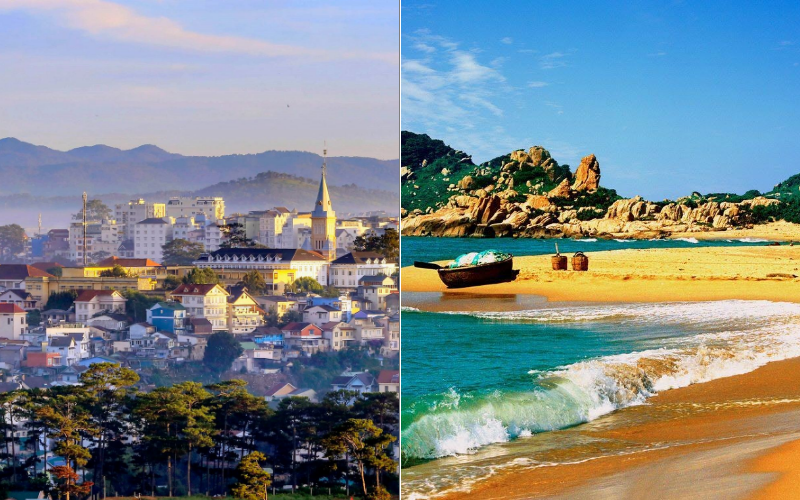
Dalat to Mui Ne is a popular travel route for visitors who want to experience two very different sides of southern Vietnam in one trip. Dalat is known for its cool weather, green landscapes, and relaxed atmosphere, while Mui Ne offers sunny beaches, sand dunes, and a slower coastal lifestyle. Many travelers plan this journey after spending a few days in Dalat and then heading toward the sea. The distance is not too far, making it suitable for both short-term visitors and longer Vietnam itineraries. With several transport options available, travelers can choose what fits their budget and comfort level. Dalat to Mui Ne at a glance Traveling from Dalat to Mui Ne connects two very different destinations in southern Vietnam. Dalat is a highland city with cool weather, pine forests, waterfalls, and quiet streets. Mui Ne is a coastal area with sandy beaches, strong sunshine, and water sports. The road distance between these places is around 150–170 km. Depending on traffic and transport choice, the trip usually takes between 4 and 6 hours by road. Many travelers plan this journey so they can combine Dalat’s cool highland charm with Mui Ne’s warm seaside feel in one trip. There are several ways to make this journey. The most common is by the Dalat to Mui Ne bus, but you can also go by private car or motorbike. Each option has different benefits. Some are more affordable, some are more flexible, and some give you more freedom to explore on the way. Knowing the basics helps you make the right choice for your trip. How to get from Dalat to Mui Ne There are three main ways to travel from Dalat to Mui Ne by road: bus, private car, and motorbike. There are no trains or direct flights on this route, so road travel is the only practical choice. Each method has its own travel time, cost, and comfort level. Buses are the most budget-friendly. Private cars are more comfortable and faster. Motorbikes give you freedom and flexibility. Before you choose, think about your luggage, your budget, and how comfortable you want the trip to be. Weather also matters. Roads can be wet and slippery in the rainy season, especially near Dalat. Planning ahead can make your journey easier and safer. Dalat to Mui Ne by bus Taking a Dalat to Mui Ne bus is a popular option for most travelers. It is affordable and easy to book. Buses typically run daily between early morning and late afternoon. The ride usually takes about 4 to 6 hours, depending on the type of bus and traffic. Most buses are sleeper buses with reclining beds, which can be more comfortable for a long trip. Tickets are usually quite reasonable. You can book them online, at travel agencies, or through your hotel. Buses depart from central Dalat and drop you off in Mui Ne or nearby Phan Thiet city. From there, you can take a local taxi or motorbike taxi to your final hotel. This option is best for budget travelers and those who want a simple, no-stress transfer. Dalat to Mui Ne by private car Traveling by private car from Dalat to Mui Ne is more comfortable and flexible than taking a bus. It is also faster. With a private car, a driver picks you up at your hotel in Dalat and drops you off at your accommodation in Mui Ne or Phan Thiet. The drive takes around 3.5 to 5 hours, depending on traffic and route. You travel on paved highways, so the ride is smooth. A private car is a good choice if you are traveling in a group, have heavy luggage, or want a door-to-door service. You can also ask the driver to stop at places on the way, for food or photos. This option costs more than the bus, but it offers more comfort, privacy, and convenience. Dalat to Mui Ne by motorbike Going by motorbike is an adventurous way to travel from Dalat to Mui Ne. It gives you freedom to stop, explore, and enjoy the scenery along the road. The ride covers around 150–170 km and takes around 4 to 6 hours, depending on speed and stops. The route includes mountain roads near Dalat and flatter coastal roads near Mui Ne, so you see many different landscapes. This option is only good for experienced riders. The roads can be narrow, and traffic may be heavy in some areas. Weather changes can also make the ride harder, especially in the rainy season. Wear protective gear and check your bike before leaving. Motorbikes are great for independent travelers who want an active experience. But make sure you are prepared for long riding hours and changing road conditions. Dalat to Mui Ne route options and scenery When you travel from Dalat to Mui Ne, you move through very different landscapes. The journey offers many scenic views and natural changes. The area around Dalat has green highland forests and mountain roads. As you go down from the highlands, the forests slowly give way to farmland and valleys. You might see rice fields, dragon fruit farms, and small countryside villages. The road eventually opens up to coastal plains near Mui Ne. Here, the scenery changes again. The land becomes flatter and warmer. You will see wide open spaces, blue skies, and sea views before arriving at the beach. Along the way, many travelers stop to take photos or rest at local spots. Some people choose the main highway route for speed and convenience. Other travelers take smaller country roads to enjoy quiet views and local life. Riding a motorbike gives you even more chances to stop and explore. No matter which route you choose, the scenery between Dalat and Mui Ne shows you how diverse Vietnam’s landscape can be. Best time to travel from Dalat to Mui Ne The best time to travel from Dalat to Mui Ne is during the dry season. The dry season in southern Vietnam runs roughly from November to April. During these months, the weather is usually sunny with less rain. Roads are […]
Mar
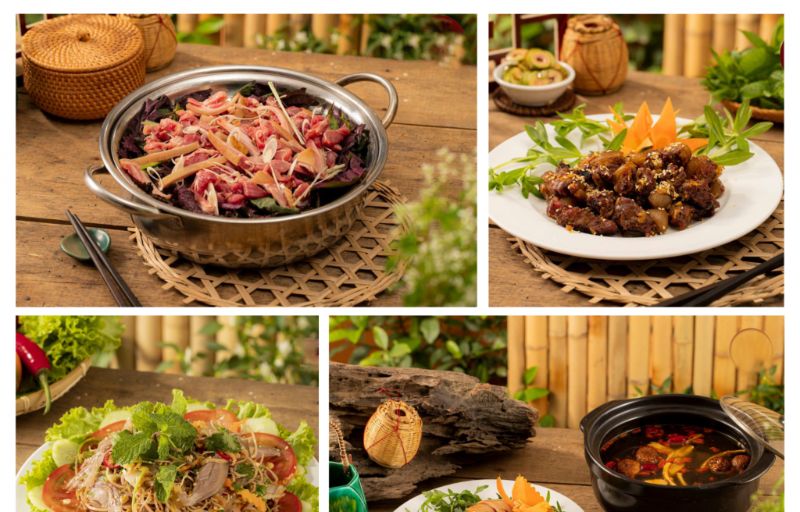
What to eat in Ninh Binh should be part of every traveler’s research before visiting this destination. Food in Ninh Binh is closely tied to local geography and daily routines. Ingredients are often sourced nearby and prepared in straightforward ways. Meals are designed to support physical work and family life, not tourism alone. For visitors, trying local food adds cultural value to the trip. It allows travelers to observe how locals eat, gather, and socialize. Knowing the basics of local cuisine also helps tourists feel more confident when choosing where and what to eat. Food becomes a bridge between visitors and local culture. What to eat in Ninh Binh? If you are planning a trip to northern Vietnam, learning what to eat in Ninh Binh is just as important as choosing which attractions to visit. Ninh Binh is known for its limestone landscapes, rivers, and temples, but local food is also a big reason travelers fall in love with this place. The cuisine here is simple, fresh, and closely connected to the local environment. Most dishes use local ingredients from the mountains, rivers, and rice fields. Flavors are not too strong, which makes the food easy to enjoy even if you are new to Vietnamese cuisine. Below are the must-try dishes that define what to eat in Ninh Binh. Goat meat dishes and why they are famous in Ninh Binh One of the most iconic answers to what to eat in Ninh Binh is goat meat dishes. Mountain goat is a signature specialty here. Goats are raised naturally on rocky limestone slopes. This gives the meat a firm texture and rich, unique flavor. The meat is lean but still juicy and slightly sweet. Goat meat is served in many ways. You can eat it grilled, steamed with ginger, or stir-fried with lemongrass and chili. Some places serve goat in a hotpot with vegetables and herbs. Rare goat with lime is another popular version. These dishes are often shared when friends or family gather for a meal. Goat meat goes well with fresh herbs and special dipping sauces. Many travelers say this food is a must-try because it reflects local culture and tastes unique to the region. Crispy rice dishes you should try in Ninh Binh Another famous answer to what to eat in Ninh Binh is crispy rice, known locally as cơm cháy. This dish started as a way to use the rice crust from the bottom of the pot. Today it is one of the region’s best-loved specialties. To make cơm cháy, cooked rice is dried and then fried until it becomes golden and crunchy. The result is a crispy texture that is light but flavorful. It is often served with a rich, savory sauce. Common toppings include shredded pork, goat meat sauce, or pork floss. Cơm cháy is popular both as a snack and as a main item to share. Many travelers also buy vacuum-packed cơm cháy as a souvenir to take home. This dish shows how locals transform simple rice into something delicious and memorable. Eel vermicelli and noodle dishes to explore When thinking about what to eat in Ninh Binh, eel vermicelli is another dish you should know. Local people call it miến lươn. This dish features freshwater eel cooked with spices, turmeric, and herbs. The eel is served with thin glass noodles and fresh greens. Some places serve eel in a light broth, while others stir-fry the eel first and pour it over noodles. The broth has a mild, comforting flavor. The noodles and herbs balance the richness of the eel. This dish is common at breakfast or lunch. It is a favorite with both locals and visitors. If you want a bowl that feels like home while you travel, miến lươn is a good choice on your food list. Mountain snails and seasonal local specialties Mountain snails are another unique local treat when exploring what to eat in Ninh Binh. These snails live in the limestone hills. They appear mainly during the rainy season from April to August. Mountain snails are firm and slightly sweet. They are often cooked with lemongrass, ginger, or tamarind to add flavor. Some locals stir-fry them with chili and spices. Other places steam the snails with herbs to keep the natural taste. Because they are seasonal and specific to the region, mountain snails are considered a special dish. Many visitors enjoy them with a cold drink or rice wine while relaxing after a day of sightseeing. Other local tastes you might enjoy There are a few more foods that help answer what to eat in Ninh Binh. Some you may find in markets or street stalls: Kim Son raw fish salad (gỏi cá nhệch) – fresh eel or fish mixed with roasted rice powder, herbs, and lime. Ant egg sticky rice (xôi trứng kiến) – sticky rice cooked with ant eggs and fried shallots, often served for breakfast. Grilled field fish – river fish grilled with salt and served with herbs and rice. Where to eat in Ninh Binh like a local Knowing what to eat in Ninh Binh is important, but knowing where to eat matters just as much. Local food tastes best when eaten in the right places. You can find good food in these locations: Local restaurants specializing in goat meat Small family-run eateries near residential areas Morning markets and street stalls Food areas near Tam Coc and Trang An Local restaurants may have simple menus and basic seating. This is normal. The focus is on food quality, not decoration. Prices are usually reasonable, and portions are generous. If you want to eat like a local, observe where locals go during meal times. Busy places are often a good sign. Staff may not speak much English, but pointing at dishes or photos usually works. Exploring local spots will give you a deeper understanding of what to eat in Ninh Binh beyond tourist menus. Tips to enjoy what to eat in Ninh Binh To fully enjoy what to eat in Ninh Binh, a little preparation can help. Local food culture is friendly, but different from what some travelers are used […]